
True Survival Stories from Nature, Disasters, and Accidents: 5 Tales of Unbreakable Human Spirit
Juliane Koepcke: Plummeting from the Sky into the Amazon’s Deadly Embrace
Christmas Eve, 1971: 17-year-old Juliane boards a flight from Lima, Peru, with her mom, ornithologist Maria. Lightning shears the plane apart mid-air; of 92 aboard, only Juliane survives the two-mile drop, crashing through the canopy into dense jungle. Bloodied, with a broken collarbone and gashed eye, she unbuckles from the seats and follows her dad’s advice: “Lick your wounds clean; head for water.” For 11 days, she battles maggots eating her leg, hallucinates from dehydration, and navigates piranha-filled streams and snake pits survival odds? Near zero in that biodiversity hotspot where 80% of plane crash victims perish within hours.
Stumbling into loggers on day 11, she’s airlifted to safety. Today, at 70, Juliane’s a German biologist running a Panguana research station in the crash zone her story a beacon for conservation. Relatable grit: Like us pushing through a bad breakup or job loss, her “one foot forward” mantra turned despair to defiance. What “jungle” are you navigating right now?
The Andes Miracle: Rugby Team’s 72-Day Ordeal in a Frozen Graveyard
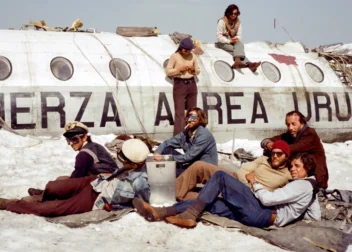
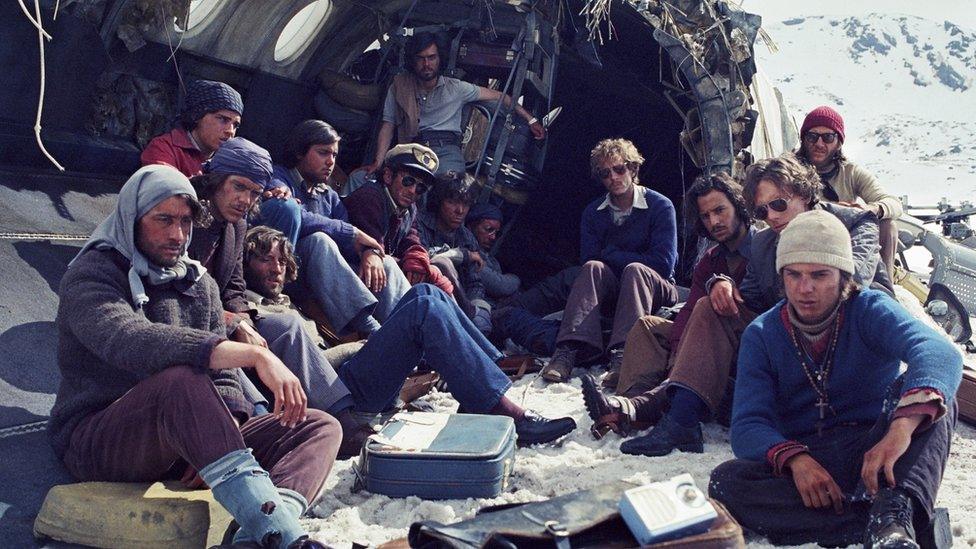
October 13, 1972: Uruguayan Air Force Flight 571, carrying a rugby team to Chile, clips a peak and slams into the Andes, killing 12 on impact. The 16 survivors huddle in the fuselage wreckage at 12,000 feet, facing -30°F blizzards, avalanches, and starvation. With no food, they confront the unthinkable: Cannibalism, rationing flesh from the dead to stay alive— a moral abyss that haunts but sustains. An avalanche buries them alive for three days, claiming eight more.
After 72 days, two—Nando Parrado and Roberto Canessa—trek 38 miles over treacherous passes, melting snow for sips and signaling a chopper. All 16 survivors rescued; odds defied, as high-altitude crashes claim 90% in similar conditions. Parrado later said, “We ate the frozen; we became each other.” Thought-provoking: In extremes, what lines would you cross for tomorrow?

Ernest Shackleton: Endurance’s Epic Fight Against Antarctica’s Ice Jaws
1914: Sir Ernest Shackleton’s Imperial Trans-Antarctic Expedition sets sail on the Endurance, aiming to cross the frozen continent. But pack ice crushes the ship like a tin can, stranding 28 men on shifting floes for 497 days. No rescue in sight, they endure -40°F gales, constant darkness, and seal hunts for survival—penguin stew becomes a delicacy.
Shackleton leads a six-man crew in a 800-mile open-boat voyage across the storm-lashed Southern Ocean to South Georgia, then a 36-hour trek over unmapped glaciers to a whaling station. All 28 saved without loss. Antarctic survival rates? Under 20% in similar eras. Shackleton’s mantra: “Optimism is true moral courage.” Anecdote: His crew’s games and songs kept spirits afloat—like our pandemic Zoom trivia nights. How does “hold fast” look in your storms?
Aron Ralston: Canyon Trap Turns Climber into Legend
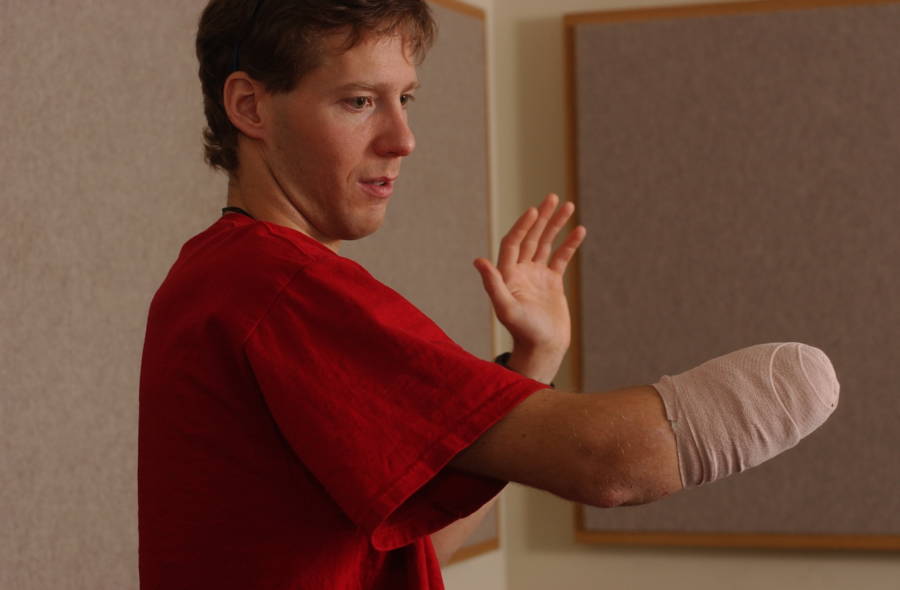
April 26, 2003: 27-year-old Aron Ralston ventures solo into Utah’s Bluejohn Canyon, a slot of red rock beauty. A 800-pound boulder shifts, pinning his right arm for five days. Dehydrated on a half-liter of water, he rations burritos, films farewells, and hallucinates loved ones—survival odds plummet to 10% after 72 hours without aid.
On day five, a vision of his future child ignites resolve: He snaps his radius and ulna, then carves through flesh with a dull knife. Rapping down a 65-foot cliff one-armed, he collapses for hikers to find. Post-amputation, Aron’s a dad, speaker, and prosthetic innovator. “Pain is temporary; quitting lasts forever,” he says. Relatable: That “one more try” in workouts or relationships? Ralston embodied it.
Harrison Okene: Three Days Underwater, Breathing on Borrowed Air
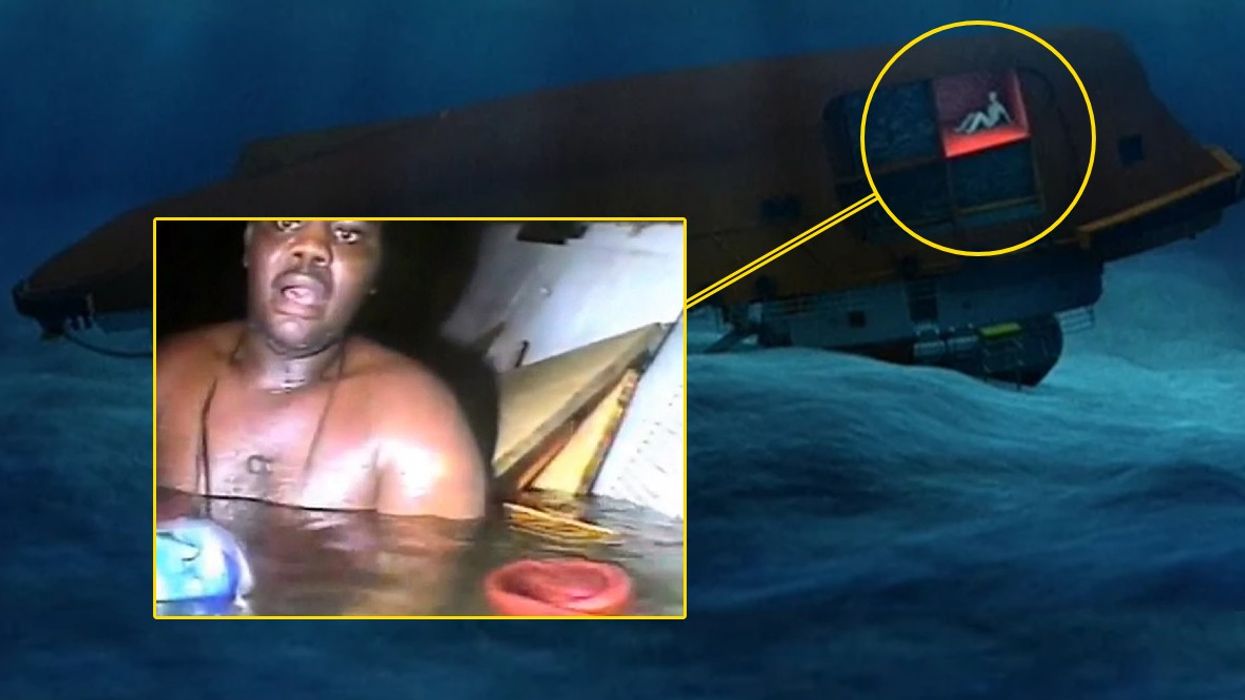
May 26, 2013: Nigerian cook Harrison Okene, 29, is in the galley of the Jascon-4 tugboat when a freak wave flips it off the coast, sinking 100 feet. Eleven drown; Okene swims into a 4×4-foot air pocket in the captain’s cabin, surrounded by rising water, corpses, and circling sharks.
For 60 hours, he prays, sips fizzy drinks, and stacks debris against the cold—oxygen thinning, CO2 building. Divers spot him by chance; he’s rescued, lungs scarred but alive. Underwater survival? Virtually impossible—odds under 1% per experts. Now a pro diver, Okene says, “God gave me a second chance.” Ponder: In your “sinking ship” moments, what keeps the air coming?
The Unyielding Core: What True Survival Stories Teach Us All
True survival stories from nature, disasters, and accidents aren’t just page-turners—they’re mirrors to our potential. From Koepcke’s jungle trek to Okene’s watery vigil, they spotlight ingenuity, hope, and the will to rewrite endings. Stats underscore the rarity: Global disaster deaths hit 10,000 yearly, yet survivors like these defy 90%+ fatality rates, proving mindset matters. In our “disasters” of daily life—lost jobs, health scares—these tales whisper: You’re built for the breakout.