5 Brands Making Real Changes in Ethical Production: Stories of Sustainability That Inspire
Why Ethical Production Isn’t Just a Buzzword It’s a Game-Changer
Before we meet the brands, a quick reality check: the apparel and consumer goods industries pump out massive environmental and social harm. Fashion alone accounts for about 10% of global carbon emissions, and exploitative labor persists in many supply chains. But brands stepping up? They’re slashing waste, empowering workers, and cutting emissions often boosting their bottom line in the process.
A 2023 study from the Ellen MacArthur Foundation highlighted how circular practices in production could save $100 billion annually in materials alone. It’s not fluffy idealism; it’s smart business. And for us consumers? It means choices that align with our values, sparking that feel-good ripple effect.
Patagonia: Transparency and Fair Labor at the Core
If there’s a poster child for ethical production, it’s Patagonia. This outdoor gear giant has long been vocal about its supply chain sins—and fixes. They’ve audited over 200 factories for fair labor, ensuring safe conditions and living wages, with full transparency reports available online.
In recent years, they’ve ramped up: 70% of their products now use recycled materials, like polyester from plastic bottles, reducing virgin plastic demand. Their “1% for the Planet” pledge has funneled over $100 million to environmental causes since 1985. The impact? Workers in their factories report higher job satisfaction, and Patagonia’s carbon footprint dropped 20% in the last five years. It’s the kind of change that makes you want to lace up their boots and hike with purpose.
Adidas: Turning Ocean Trash into Tread
Adidas isn’t waiting for the world to clean up they’re diving in, literally. Partnering with Parley for the Oceans, they’ve transformed beach plastic and fishing nets into high-performance shoes and apparel. By 2024, they hit their goal of 100% recycled polyester across products, diverting millions of pounds of ocean waste from landfills.
This shift isn’t greenwashing; it’s core to their production. Each pair of Ultraboost shoes incorporates up to 30 recycled plastic bottles, cutting CO2 emissions by 50% per shoe compared to traditional methods. Imagine lacing up for a run knowing your kicks are fighting plastic pollution. Adidas shows how sportswear can score big for the planet.

Stella McCartney: Vegan Innovation Redefining Luxury
Luxury doesn’t have to mean leather or harm. Stella McCartney has been fur- and leather-free since 2001, pioneering vegan alternatives that don’t skimp on style. Their production now leans heavily on bio-based materials: think mycelium “leather” grown from mushrooms or grape-waste vegan bags in partnership with Veuve Clicquot.
The numbers impress: operational emissions down 76%, with 68% renewable energy sites. They’ve reduced Scope 3 emissions (supply chain) by 22% and aim for net-zero by 2040. By localizing production and tracing every material, Stella’s proving ethical luxury can be chic, circular, and cruelty-free. It’s a reminder that high-end doesn’t have to come at a high cost to animals or the earth.
.jpg?sw=1090&sh=762)
Ben & Jerry’s: Fair-Trade Flavors from Farm to Scoop
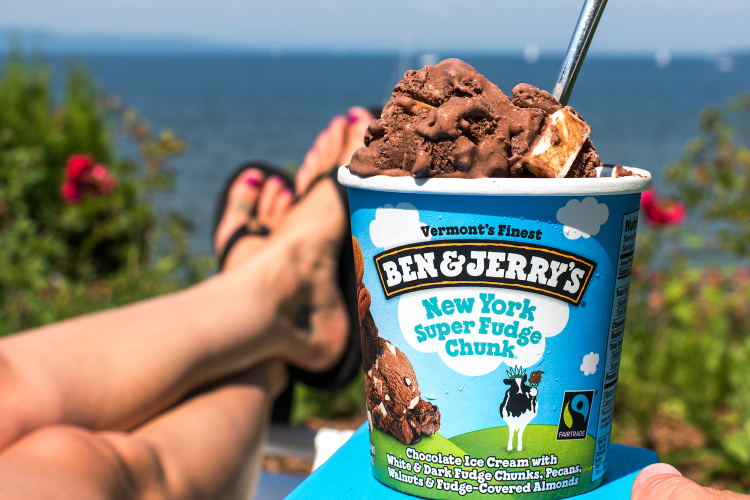
Who knew ice cream could be a force for good? Ben & Jerry’s has baked ethics into their production since the ’80s, sourcing fair-trade ingredients to ensure farmers get a living wage. All their cocoa, vanilla, and coffee? Certified fair-trade, supporting over 100,000 farmers globally.
Recently, they’ve upped the ante with a “living income” pilot for cocoa growers, paying premiums that boost household earnings by 30% in participating communities. This isn’t just about chocolate chunks it’s about stable livelihoods in places like Côte d’Ivoire, reducing poverty and deforestation. Next time you dig into a pint, it’s a sweet win for ethical production.
Unilever: Sourcing Staples Sustainably on a Massive Scale
As a everyday essentials powerhouse, Unilever’s scale makes their ethical shifts seismic. They’ve committed to 100% sustainable sourcing for key ingredients like tea, cocoa, and palm oil via Rainforest Alliance certification covering 75% of their agricultural raw materials by 2024.
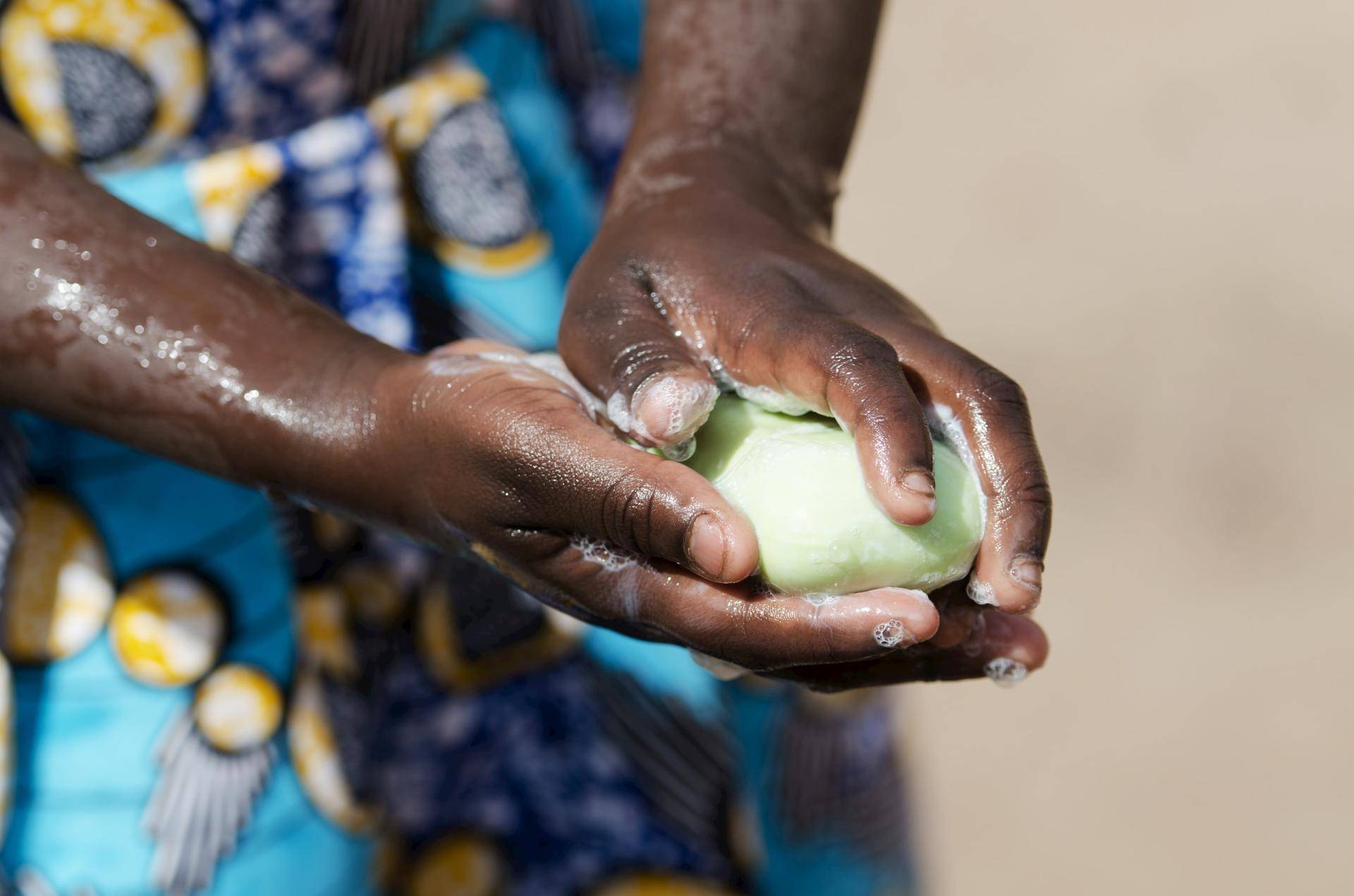
For cocoa, partnerships with farmers include training on regenerative practices, improving yields by 20% while cutting chemical use. Their Dove and Lifebuoy lines now use ethically sourced shea and palm, empowering women-led cooperatives. Unilever’s proving that big brands can drive systemic change in ethical production, one bar of soap at a time.
The Road Ahead: Challenges and How We All Fit In
These brands are trailblazers, but hurdles remain supply chain complexities, cost pressures, and the need for industry-wide standards. Yet, consumer demand is the rocket fuel: 78% of shoppers say they’ll switch for sustainable options, per a 2024 Nielsen report.
What can you do? Start small: check labels for certifications like Fair Trade or GOTS, support these innovators, and ask questions. Ethical production thrives when we all lean in.